
Augmented Reality Collab with King’s Portraitist 👑, Italy Acquires Rare Caravaggio 🕯️, Historic Architecture in Stone 🏛️
And other stories from this week in the realism art movement
🌟 Mainstream
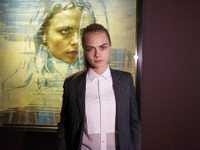
King Charles Portraitist Jonathan Yeo’s Paintings Get the A.R. Treatment
King Charles portraitist Jonathan Yeo is bringing his paintings to life with augmented reality in a new collaboration with Snap Inc. debuting at South by Southwest. Visitors wearing Snap’s AR glasses can watch elements emerge from the portraits—like a butterfly flying off Yeo’s famous portrait of King Charles III—and even become part of the artwork themselves. The project hints at a future where paintings can evolve through technology, turning museum visits into interactive experiences.
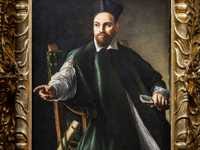
Italy purchases rare Caravaggio painting for $34.7 million.
Michelangelo Merisi da Caravaggio’s rare Portrait of Monsignor Maffeo Barberini has been acquired by Italy’s culture ministry for $34.7 million, one of the country’s largest single art purchases. The long-hidden portrait of the future Pope Urban VIII will now remain on public view at Palazzo Barberini. The acquisition reflects Italy’s push to keep masterpieces by national artists out of private collections and accessible to the public.
👩🎨 Artist Features
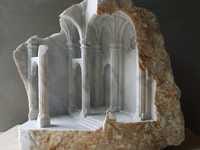
Historic Architecture Emerges from Stone in Matthew Simmonds Ethereal Sculptures
Matthew Simmonds carves intricate miniature gothic cathedral elements from Carrara marble and limestone, drawing inspiration from real architectural details in Tuscany and Germany’s Bamberg Cathedral. His works reveal ornate interiors while showcasing the stone’s natural qualities. Currently, Simmonds is exploring themes of space and light in his art, aiming to convey a sense of the sacred through his sculptures.

Contemporary Realism Artist to Watch: Kate Keery and Unnoticed Moments
Kate Keery, a contemporary realism painter from Newburyport, Massachusetts, creates vibrant oil and acrylic works in her Brooklyn studio. Initially hesitant to pursue art due to concerns about career stability, she studied environmental science before shifting her focus to studio art, influenced by her experiences in Florence. Keery’s paintings capture intimate, everyday moments, often set by the sea, reflecting her childhood and the authentic interactions she observes in those environments.
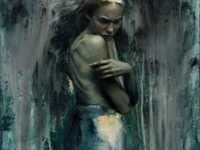
2025 Beautiful Bizarre Art Prize Finalists share their success stories
The Beautiful Bizarre Art Prize not only celebrates the winners but also significantly boosts the careers of its finalists through extensive promotion and networking opportunities. Each year, 200 finalists across various categories are selected and receive international exposure via Beautiful Bizarre Magazine, leading to increased visibility, gallery invitations, and new opportunities for many artists. Previous finalists have reported transformative experiences, including solo exhibitions and expanded audience reach, highlighting the prize’s impact as a catalyst for artistic growth and recognition.
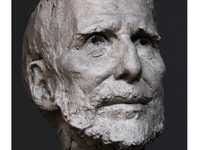
From Film to Fine Art: Sculptor Maudie Brady
Australian sculptor Maudie Brady, known for her work in film franchises like Star Wars and Pirates of the Caribbean, combines her artistic background with a focus on human figure sculpting. After earning her B.F.A. from the Royal Melbourne Institute of Technology and furthering her studies at the Florence Academy of Art, she now teaches anatomy while exploring emotional expression in her work. Brady emphasizes the importance of representing universal human conditions through her sculptures, allowing viewers to form personal connections with her art.
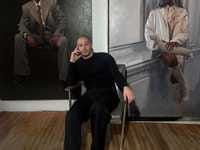
Jason Bard Yarmosky: Time Has Many Faces
Jason Bard Yarmosky’s artwork explores aging, time, and memory, influenced by his close relationship with his grandparents. His portraits celebrate the complexities of growing older, blending traditional painting techniques with contemporary elements to highlight themes of vulnerability and humor. Currently, his exhibition “Time Has Many Faces” is on view at Guild Hall in East Hampton, NY, until April 19, 2026.
🖼 Shows
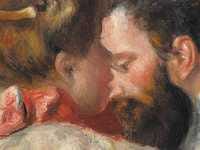
Two Renoir exhibitions at Musée d’Orsay explore the joy of human connection
A forthcoming exhibition at the Musée d’Orsay, titled “Renoir and Love: A Joyful Modernity,” will highlight Pierre-Auguste Renoir’s early works from 1865 to 1885, emphasizing his focus on modern life and human connections. Opening on March 17, the show features rarely seen pieces, including “Confidence” (1897), and aims to change perceptions of Renoir as merely sentimental by showcasing his deep engagement with contemporary society. The exhibition will later travel to the National Gallery in London and the Museum of Fine Arts in Boston.
🎨 Learn

The article explores various classical drawing techniques, including Classical Drawing, French Academic Techniques, and Sight-Size methods, emphasizing their structured approach to achieving proportion and form. It highlights the significance of Bargue Plates in training, which guide students from simple line drawings to complex human figures and casts. The author reflects on the resurgence of these methods in modern art education, suggesting that classical training provides a solid foundation for aspiring realist artists while allowing for the incorporation of diverse drawing styles.
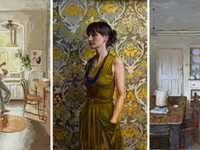
Mary Sauer: 4 Philosophies for Painting With Purpose
Mary Sauer explores fleeting moments through luminous interiors and portraits that blend traditional technique with modern sensibility. The Utah painter shares four guiding philosophies for artists, from creating emotional impact to trusting bold, decisive brushstrokes. Her approach treats painting as both discovery and teaching, a way to deepen how viewers see the world.
📚 History
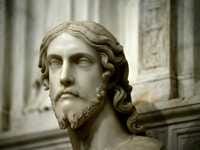
Sculpture in Rome Reattributed to Michelangelo
A marble bust of Jesus Christ in the Basilica of Sant’Agnese has been re-attributed to Michelangelo by independent researcher Valentina Salerno, who based her findings on archival research. This reattribution, which marks the first time in nearly 200 years that the bust is associated with the Renaissance master, could lead to the discovery of other forgotten works by Michelangelo. Meanwhile, a previously unattributed painting in Belgium is under scrutiny for possible attribution to Michelangelo, with experts calling for further investigation into its provenance despite promising early analyses.
I hope you enjoyed this edition of The Classical Realist.
Best regards,
Fletcher Graham